
Dance is often associated with performance, competition, and artistic expression. But for many people, its impact extends far beyond the stage or studio. Dance can shape careers, build confidence, teach resilience, create communities, and even influence how people navigate challenges in their professional and personal lives.
The stories of dancers from different backgrounds and disciplines reveal a common truth: movement has the power to transform lives in ways that often have little to do with dance itself.
Finding Purpose Through Dance
For Lily Chapman, a dancer and coach with experience in high school, collegiate, and competitive dance, the greatest impact of dance was not found in performing, but in helping others discover the opportunities that dance can create.

As she explains:
“Dance didn’t just shape me as an athlete and performer, it completely changed my sense of purpose.”
Her years in dance gave her much more than technical skills:
“Growing up, dance gave me confidence, discipline, and a community where I felt challenged to become the best version of myself.”
Over time, she began to recognize that many young people, particularly those living in rural and suburban communities, do not always have access to those same opportunities.
This realization transformed her relationship with dance:
“That realization led me to transition from being solely a dancer to becoming a coach.”
Today, her work focuses on introducing young people to dance and the arts, including many who may never have considered themselves dancers in the first place.
Reflecting on this journey, she says:
“The specific aspect of my life that dance revolutionized was my career path and my understanding of impact. Instead of viewing dance as something I did, I began viewing it as a way to serve others.”
For Chapman, dance became more than an activity—it became a mission:
“Dance taught me that a single activity can build confidence, resilience, creativity, and connection. It transformed my personal passion into a mission: creating opportunities for young people to experience the same growth and sense of belonging that dance gave me. That shift, from performer to mentor, has been one of the most meaningful changes in my life and continues to influence how I lead, teach, and contribute to my community every day.”
Learning Confidence Under Pressure
Dance often teaches lessons that prove invaluable far beyond rehearsals and performances. Few people understand this better than entrepreneur Akshay Madhani, whose experience in competitive dance shaped his approach to leadership and business.

He recalls one of the most important lessons he learned as a performer:
“I have a terrible poker face, but one of the most important skills in dance, especially when your routine goes wrong, is establishing distance between what your gut is doing and what your face is doing.”
Performing taught him how to remain composed under pressure:
“When I broke a prop, or missed my cue to enter the stage, I had to learn to keep a happy expression. Oftentimes, if done well, many in the audience cannot tell.”
That ability to project confidence during uncertainty later became essential in his career as a startup founder:
“As the co-founder of Scrollmark, I leaned on that skill a lot – when a big customer decided not to renew, when we had major tech outages, when we had to let employees go.”
He discovered that leadership often requires the same kind of composure as performing:
“Carrying yourself with confidence when delivering bad news, even when you’re scared inside, instills confidence in the other employees relying on you.”
The parallels between stage performance and business leadership became increasingly clear:
“Disclosing clearly what went wrong to customers during outages and showing them confidence that you have a path to make them whole makes it easier for them to continue to invest in you. ‘Stage management’ is a big part of the job.”
His journey from dance captain at university competitions to leading a technology company demonstrates how lessons learned in movement can translate into entirely different worlds.
Community, Growth, and Positive Mindsets
For Aaron Wertheimer, dance provided something that traditional exercise never could: a community and a sense of shared purpose.
He explains:
“Dance has given me a concrete goal with structures to help work towards that I never would’ve had had I not joined a latin an hip hop dance performance team.”
Before discovering dance teams, physical activity often felt isolated:
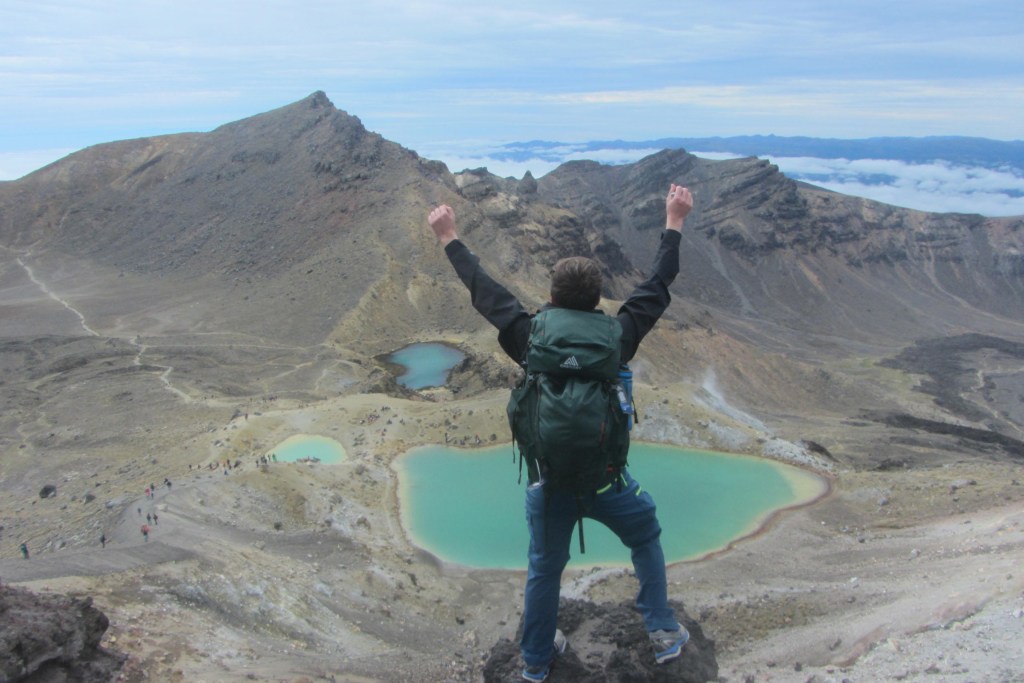
“Prior to dancing, I would do workouts at home, but I never had a community of driven individuals to help keep my mind stimulated and moving towards the goals I wanted to pursue. When I joined a bachata latin dance team, I found myself energized by meeting people who were all striving to be the best version of themselves and learning to grow through the structure of dance. Nevertheless, I also picked up a hobby I used to love, which was B-boy breakdancing and hip hop.”
The result was more than new hobbies—it was a new outlook on life:
“Now, I have two hobbies which help fuel a more positive-focused mindset, which helps serve as an example for how I approach other goals in my life from my career goals to my goals in my personal relationships with loved ones.”
Reflecting on the role dance continues to play in his life, he says:
“I am grateful for the creative flexibility, structure, and space that the dance scene has provided me.”
These stories come from different countries, professions, and dance styles, yet they all point toward the same conclusion: dance changes lives because it changes people.
It teaches discipline and creativity, confidence and humility, structure and improvisation. It creates friendships, communities, and opportunities for growth. Most importantly, it provides spaces where people can discover new parts of themselves and build resilience that extends far beyond dance itself.
Breaking The Walls: Creating the Next Generation of (Dance) Stories
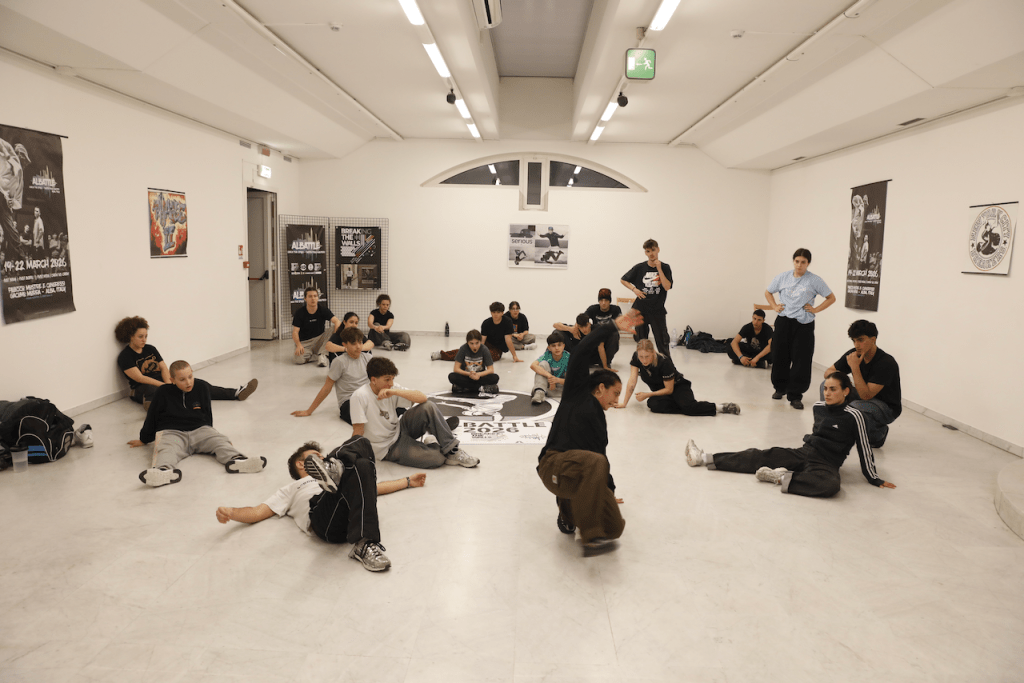
These experiences reflect the vision behind BREAKing THE WALLS, a European project that combines breaking culture with Dance Movement Therapy to support the mental wellbeing and personal development of young dancers aged 11 to 18.
By bringing together therapists, breaking artists, and young participants from across Europe, the project creates spaces where movement becomes more than performance. It becomes a tool for emotional expression, self-discovery, creativity, and connection.
The young dancers involved in BREAKing THE WALLS are not only learning new skills or preparing performances. They are building confidence, developing resilience, forming international friendships, and creating stories of transformation that may stay with them for the rest of their lives.
Because sometimes dance changes lives not by teaching people how to move, but by showing them who they can become.
Learn more about the project on our homepage

