
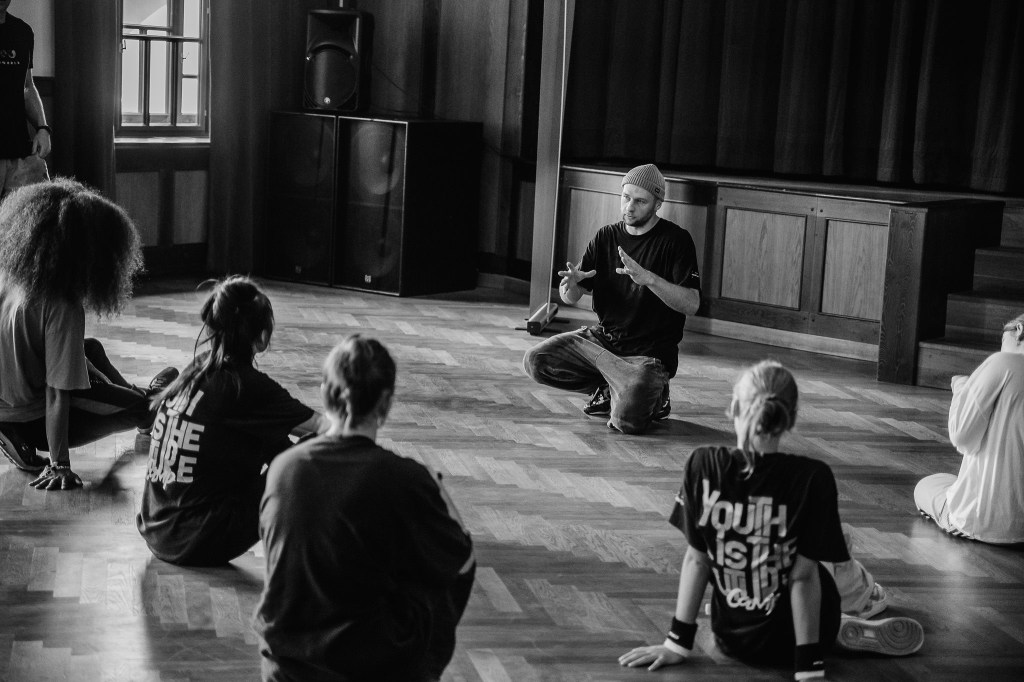
In the modern landscape of social media, Generation Z faces a psychological paradox. While they are the most “connected” generation in history, they simultaneously report record levels of isolation, anxiety, and digital overstimulation. The constant pressure of the curated self—the need to maintain a digital persona that is always polished and performative—often leads to emotional suppression and a profound disconnection from the real human expereinces and relationships. In this high-pressure environment, breakdance as a form of sport and dance, has emerged as a vital sanctuary where the grit of the floor provides a much-needed grounding against the weight of the cloud.
A Contribution from dancer Anastasiia Gavriukhova
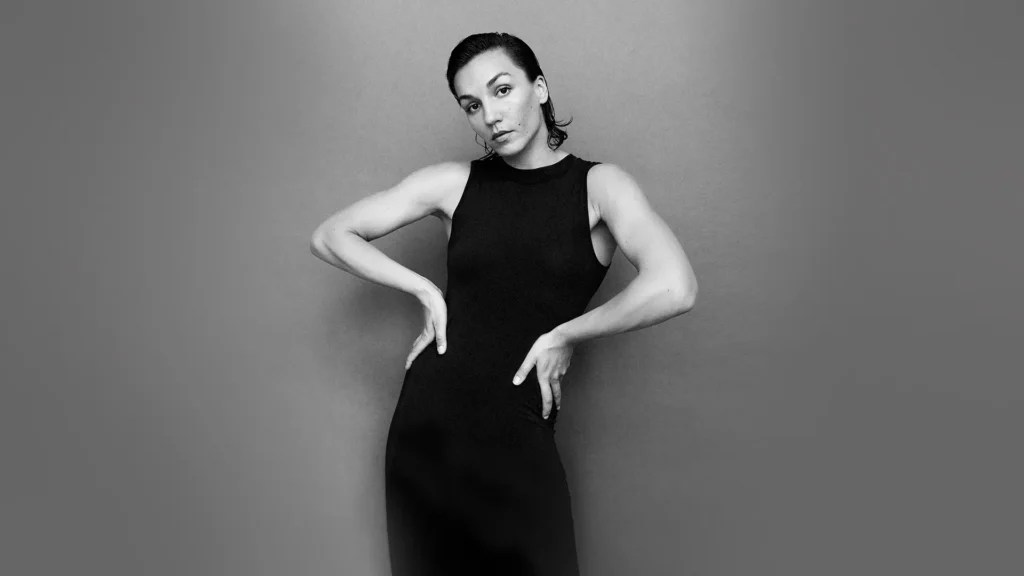
Professional dancer and NYC-based instructor Anastasiia Gavriukhova sees this struggle daily in her work at elite institutions like Broadway Dance Center and Brickhouse NYC. Her understanding of dance as a psychological tool is not merely theoretical; it is rooted in a moment of profound personal loss. During her journey on So You Think You Can Dance, she battled the late, legendary dancer Twitch at a time when she was grieving someone she deeply loved.
Through that encounter, she discovered that movement could hold what words could not.
“That moment became unexpectedly healing — through movement alone, he showed me that dance can hold grief, release, and connection when words fail. That experience shaped how I now teach and mentor dancers.” – she reflects.
This experience now informs her work with Gen Z dancers, whom she mentors not only in technique but in the mental resilience required for the entertainment industry.
For this generation, Anastasiia views hip-hop and breaking as a form of movement therapy. In an era of digital distraction, the cypher demands a radical presence.
“With Gen Z especially, I see dance functioning as movement therapy — helping with anxiety, emotional suppression, digital overstimulation, and identity struggles. Through freestyle and hip-hop culture, dancers learn presence, emotional regulation, confidence, and community. I believe movement is where we find our true voice — and where we can express what we’re not yet ready to say out loud.”
Through the culture of freestyle, young dancers find a way to navigate identity struggles and emotional regulation. It serves as an outlet for the “unsaid,” allowing them to find their true voice in the physical world and express complex emotions—ranging from frustration to joy—in a space that values authenticity over digital perfection.
Breaking the Walls: Healing Through the Cypher
The individual healing described by Anastasiia is being championed on a systemic level through the BREAKing THE WALLS (BTW) project. This international consortium, spanning Italy, Slovakia, and Portugal, recognizes that the pandemic left a legacy of oppression and isolation on young people, particularly those aged 11 to 18. By merging the artistic intensity of breaking with the insights of Dance Movement Therapy (DMT), the project aims to turn the dance floor into a laboratory for personal and collective growth.
The BTW project provides young dancers with professional therapists and artistic mentors to help them discover their bodies and souls. Rather than focusing solely on the athleticism of the sport, the initiative encourages participants to use breaking as a tool to communicate feelings they might otherwise keep bottled up. This journey culminates in a multidisciplinary show that tours internationally, proving that the hip-hop community can be a primary support system for mental health recovery.
Ultimately, whether on the stages of New York or through capacity-building courses in Europe, breakdance offers Gen Z a path back to themselves. It is a reminder that when the digital walls of the modern world become too confining, the most effective way to find freedom is to move through them.
Read more about the project on our homepage.

