
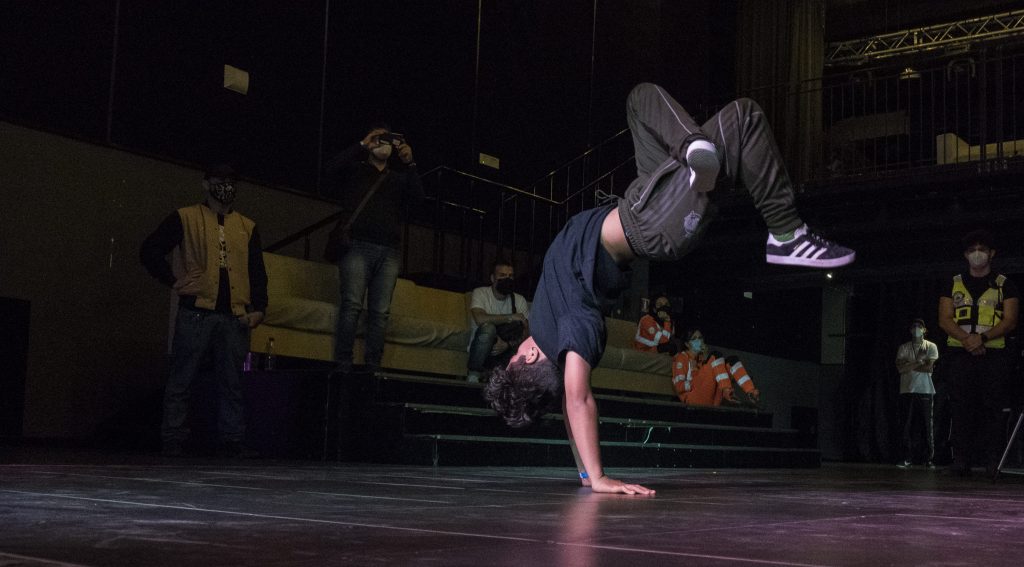
Gen Z is the first generation to grow up fully immersed in algorithm-driven digital environments. Social media platforms are no longer just tools for communication, they are ecosystems designed to maximize attention, engagement, and emotional response. Infinite scrolling, constant notifications, and performance-based validation systems have reshaped how young people experience identity, connection, and self-worth.
This digital reality creates a paradox: Gen Z is constantly stimulated, yet increasingly disconnected. Mentally overloaded but physically inactive. Surrounded by content, yet emotionally isolated. Anxiety, attention fragmentation, emotional dysregulation, and body disconnection are becoming defining challenges of a generation raised in perpetual digital motion but physical stillness.
The Psychological Impact of Infinite Scrolling
Shelby, Founder of Break Free From the Internet, works with people struggling to regulate their relationship with technology and offers a clear explanation of how social platforms affect Gen Z at a neurological and emotional level:
“Infinite scrolling is designed to remove stopping cues. There’s no natural endpoint which keeps the brain in a loop of anticipation and intermittent reward. For Gen Z, who grew up fully immersed in algorithm-driven platforms, this creates a near-constant cycle of dopamine spikes tied to novely, social comparison, and validation.”
This constant stimulation reshapes how the brain functions:
“Over time, their brains are trained to expect constant stimulation.”
The consequences are both psychological and physical:
“This leads to increased anxiety, attention fragmentation, emotional dysregulation, and body disconnection.”
Gen Z, Shelby explains, is caught in a state of contradiction:
“Gen Z is remaining physically still while mentally overstimulated. Internal tension builds up to a boiling point.”
The result is a generation that is cognitively overloaded, emotionally dysregulated, and physically disconnected from their own bodies.
Movement as a Reset for the Nervous System
In a culture dominated by screens and stillness, physical movement becomes more than exercise: it becomes regulation, release, and reconnection. Shelby describes movement as a direct counterbalance to digital overstimulation:
“The power of physical movement is the antidote. Practices like dancing and modalities such as Dance Movement Therapy offer the release the body needs. They restore the mind-body integration. Dance engages both sides of your brain, regulates the nervous system through rhythm, and releases stored tension.”
Rather than adding more cognitive input, movement works through the body, allowing stress and emotion to be processed somatically instead of intellectually. This makes it particularly effective for a generation overwhelmed by information but disconnected from sensation.
Shelby frames dance not only as healing, but as prevention:
“Digital overstimulation has become the cultural norm, but introducing dance can be preventative mental heath care.”
What Is Dance Movement Therapy?
Dance Movement Therapy (DMT) is a mind–body approach that uses movement as a tool for emotional processing, regulation, and self-awareness. Unlike performance-based dance, DMT focuses on expression rather than technique, and presence rather than perfection. It allows individuals to explore emotions through the body when words feel limited, unsafe, or insufficient.
For Gen Z, this is especially powerful. In a world of constant comparison, filters, and performative identity, DMT creates a space without metrics, judgment, or validation systems—only sensation, movement, and presence. It helps restore what social media erodes: internal awareness, embodied confidence, and emotional authenticity.
From Individual Regulation to Collective Healing: BREAKing THE WALLS
These ideas are not only theoretical, they are being put into practice through BREAKing THE WALLS, a European project designed to support young breaking dancers aged 11–18 through Dance Movement Therapy and hip-hop culture.
BREAKing THE WALLS responds directly to the pressures Gen Z faces: digital saturation, post-pandemic isolation, emotional suppression, and identity stress. By combining professional therapeutic guidance with breaking and movement culture, the project creates safe spaces where young people can express themselves physically, process emotions, and build resilience through community and creativity.
Through workshops, international exchanges, and a final collective performance, young participants learn that their bodies are not just something to optimize, display, or judge—but something to listen to, trust, and use as a source of strength.
In an age of endless scrolling, dance offers Gen Z something radical: stillness in motion, freedom without performance, and self-expression without validation metrics. Projects like BREAKing THE WALLS transform movement into a language of healing—one step, one rhythm, and one body at a time.
Learn more on our homepage.
 BREAKing The Walls