
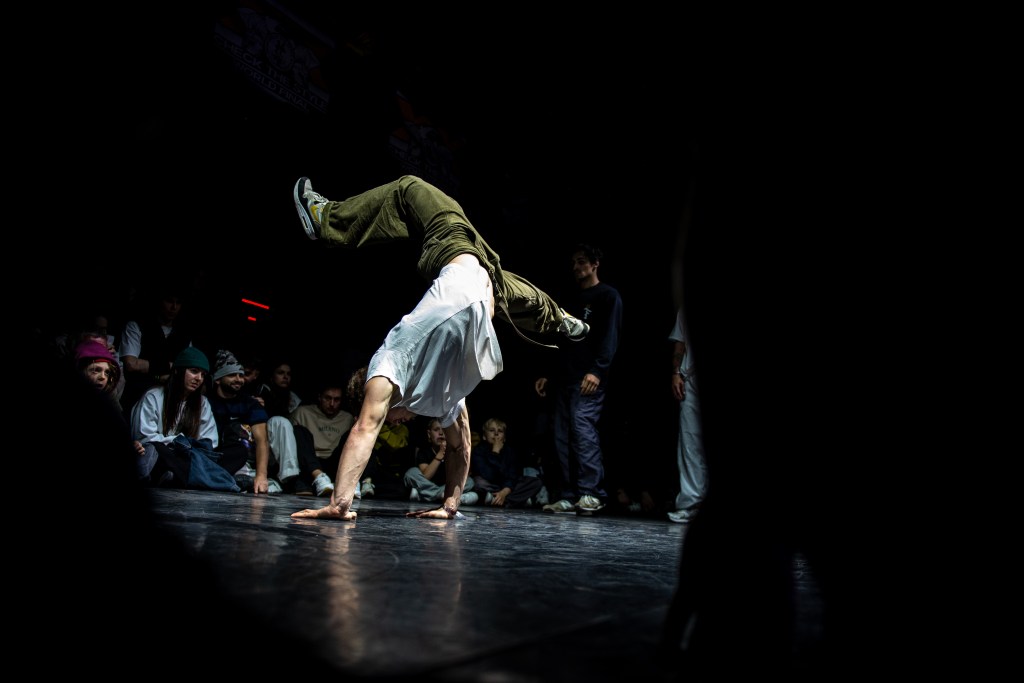
Gen Z is the first generation to grow up fully immersed in social media. Platforms designed for connection have become spaces of comparison, performance, and constant evaluation. Likes, comments, and views often function as markers of self-worth, shaping how young people see themselves and how safe they feel expressing who they really are.
While Gen Z is often described as digitally fluent and socially connected, many young people report rising levels of anxiety, loneliness, and emotional disconnection. Beneath curated online identities, there is frequently a struggle to feel grounded, validated, and understood. In this context, approaches that go beyond screens and words—such as Dance Movement Therapy (DMT)—are becoming increasingly relevant.
Social Media Pressure and Emotional Disconnection
Dr. Nick Bach, Psy.D., a licensed psychologist who works closely with Gen Z clients, observes firsthand how social media affects young people’s emotional wellbeing. Reflecting on his clinical experience, he notes how fear of judgment has become embedded in everyday life for teenagers and young adults:
“With teenagers, there is a realization of increasing anxiety from a fear of judgments in various forms like likes on a social post. Reconnoitering these needs can bring ample problems that foster doubts and fears.”
This pressure often creates a disconnect between how young people appear online and how they feel internally. Dr. Bach describes a generation that may look confident and happy on screens, while privately struggling:
“I grew up and am now working with teenagers who are full of courage and fear, smiling on social media, yet dying in lonely corners. It was most clear they had no lack of relationship; rather, they owned relationships that were pretentious of giving validation.”
In these circumstances, traditional talk-based approaches can sometimes feel limiting, especially when emotions are deeply buried or difficult to articulate.

Why Movement Reaches What Words Cannot
Dance Movement Therapy offers an alternative pathway—one that works through the body rather than relying solely on verbal expression. Dr. Bach explains how movement can access emotional layers that are often unreachable through conversation alone:
“Dance movement therapy attempts to reach the unreachably deep parts that words fail to articulate. From the beginning, movement is an indirect method of psychoeducation; it catches off guard and bypasses habitual control mechanisms, tragically for people who overlook themselves by numbing, keeping themselves in a box, or completely showering in emotional eruption.”
By engaging the body, DMT allows emotions to surface naturally, without the pressure to explain, justify, or perform.
Dr. Bach shares a powerful example from his experience working with a college student whose identity had become tightly bound to a carefully curated online image:
“There was a woman in college who had devoted her being, all of it, to the aesthetic of perfection portrayed in her social media, and who burst into tears for the first time in years whilst in the middle of dance therapy. She mentioned something about dwelling in the space without judgment and as though it allowed her to recapture an aspect of herself existing in another realm forever lost.”
For many Gen Z individuals, movement-based sessions create a rare environment where they are not evaluated, ranked, or compared.
“These sessions become a secure base for building trust towards oneself, others, and the expression of feelings when the talk therapy is with barriers to deep wounding. Generation Z does not in fact require more screens; they require more solid grounding, physical movement, and nonverbal permission to actually feel.”
This emphasis on grounding, presence, and nonverbal expression aligns closely with emerging mental health approaches that prioritize the body–mind connection.
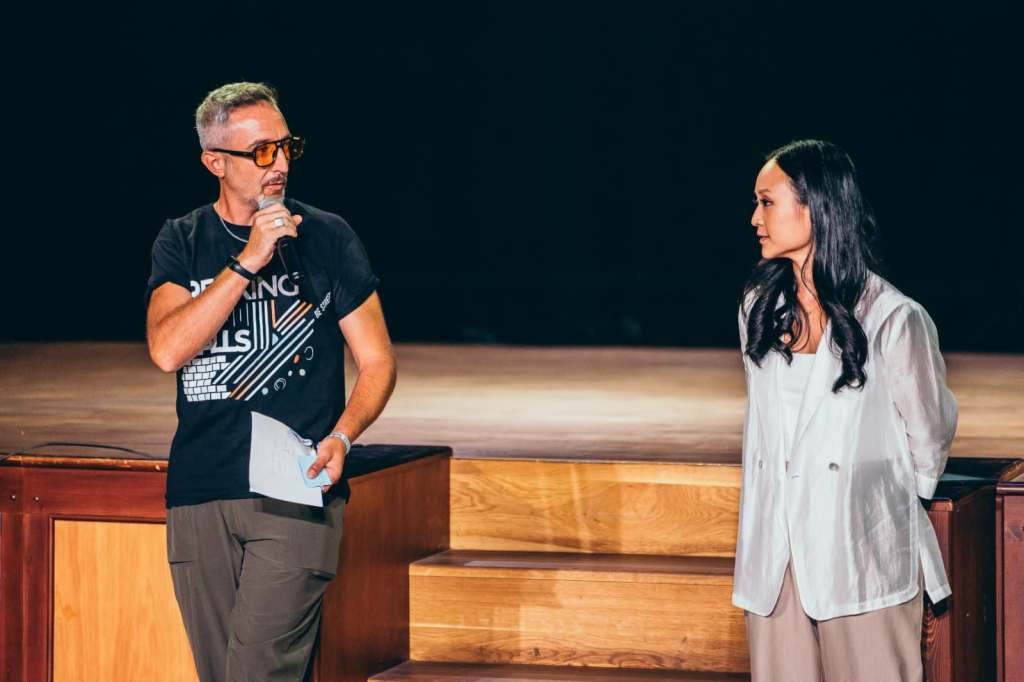
From Individual Healing to Collective Empowerment: BREAKing THE WALLS
The insights shared by Dr. Bach help explain why projects like BREAKing THE WALLS (BTW) are so vital today. Designed for young breaking dancers aged 11–18, BREAKing THE WALLS combines Dance Movement Therapy with hip-hop and breaking culture to address the emotional impact of social media pressure, post-pandemic isolation, and identity struggles.
By creating safe, movement-based spaces guided by professional therapists and breakers, the project allows young people to explore emotions without judgment, reconnect with their bodies, and build authentic community beyond digital validation. Through workshops, international exchanges, and a final performance, participants transform personal experiences into collective expression.
In an age where Gen Z is constantly seen but not always truly felt or understood, Dance Movement Therapy—and initiatives like BREAKing THE WALLS—offer a powerful reminder: healing does not always start with words. Sometimes, it starts with movement.
Learn more about the project on our homepage.
 BREAKing The Walls