
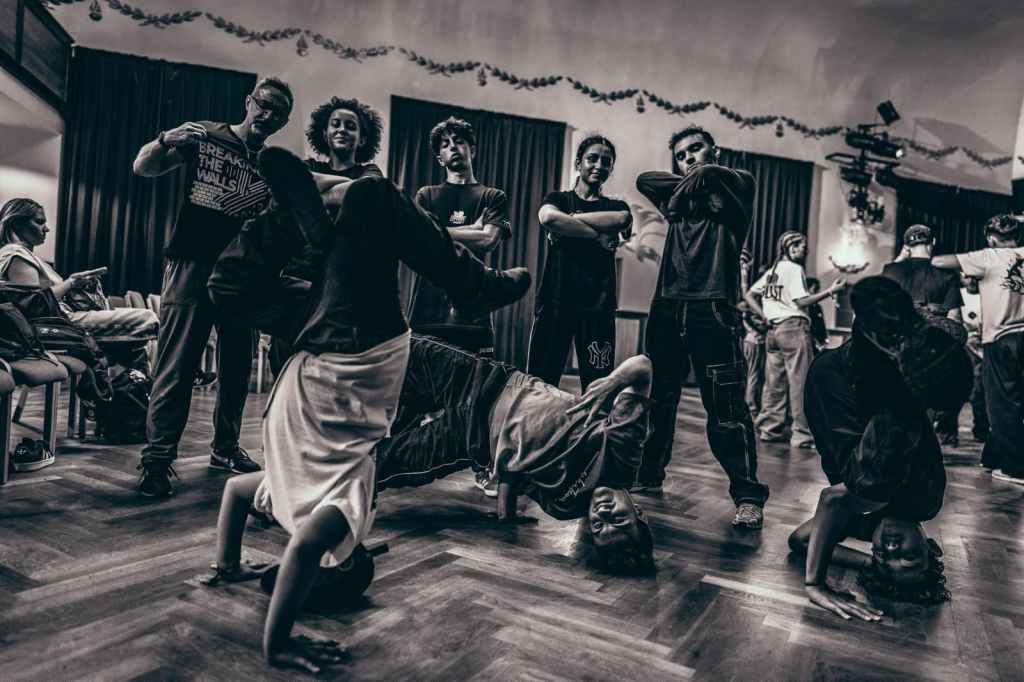
Two stories that tell us why Dance Movement Therapy Matters to Gen Z so much
Gen Z is coming of age in a world defined by constant connectivity, rapid change, and ongoing uncertainty. While social media, remote work, and digital culture offer new opportunities, they also bring intense social pressure, comparison, and emotional overload. Many young people report feeling anxious, disconnected from their bodies, and unsure how to process what they are feeling—especially in the aftermath of the Covid-19 pandemic.
In this context, dance is increasingly being rediscovered not just as an art form, but as a tool for mental and relational wellbeing. Movement offers something Gen Z often lacks: a way to slow down, reconnect with the body, and express emotions without having to explain them. The following experiences—from dance educators and former professional dancers—show how movement can support emotional health, confidence, and resilience in ways that resonate deeply with younger generations.
Dance as an Antidote to Digital Pressure
Simone DePaolo, Artistic Director and General Manager of D’Valda & Sirico Dance & Music Centre, has spent decades observing how dance affects people across cultures and ages. Her insights are particularly relevant for Gen Z, a generation often pulled away from physical presence by screens and online comparison.
As she explains:
“Having spent several years as a professional dancer performing around the world, everywhere from resorts, clubs, and cruise ships to nursing homes, weddings, and birthday parties, I witnessed firsthand how dance meets people exactly where they are. Across cultures, ages, and life circumstances, movement consistently created connection, joy, and emotional release. As a dance educator for over 30 years, I see that same truth echoed daily in the D’Valda & Sirico Dance & Music Centre studio: dance has a unique ability to relieve the stress of the day while offering individuals a rare sense of freedom and self-expression. Through movement, people often access an internal strength and confidence that may not be visible in other areas of their lives, but becomes unmistakable when they dance.”
For Gen Z, this freedom and self-expression can be especially powerful. Dance creates a space where there is no algorithm, no “likes,” and no curated image—only movement and presence.
DePaolo also highlights how Dance Movement Therapy intentionally builds on this mind–body connection:
“Dance Movement Therapy builds upon this idea by intentionally using movement as a tool for emotional, mental, and physical wellbeing. It recognizes the deep connection between body and mind, allowing individuals to process feelings, regulate emotions, and develop self-awareness through physical expression rather than words alone. For many, especially those who struggle to articulate their emotions, movement becomes a powerful language. The therapeutic process helps individuals feel grounded, present, and connected to themselves and others, fostering resilience and emotional balance.”
She directly connects this approach to the challenges Gen Z faces today:
“This practice is particularly meaningful for Gen Z, a generation navigating unprecedented levels of stress, anxiety, and digital saturation. Dance offers them a tangible, embodied experience that pulls them out of constant comparison and online pressure, and back into their own physical presence. Whether in a therapeutic setting or a dance studio, movement encourages authenticity, community, and self-trust. In a world that often demands perfection, dance reminds young people that there is value in simply being human—moving, feeling, and expressing without judgment.”
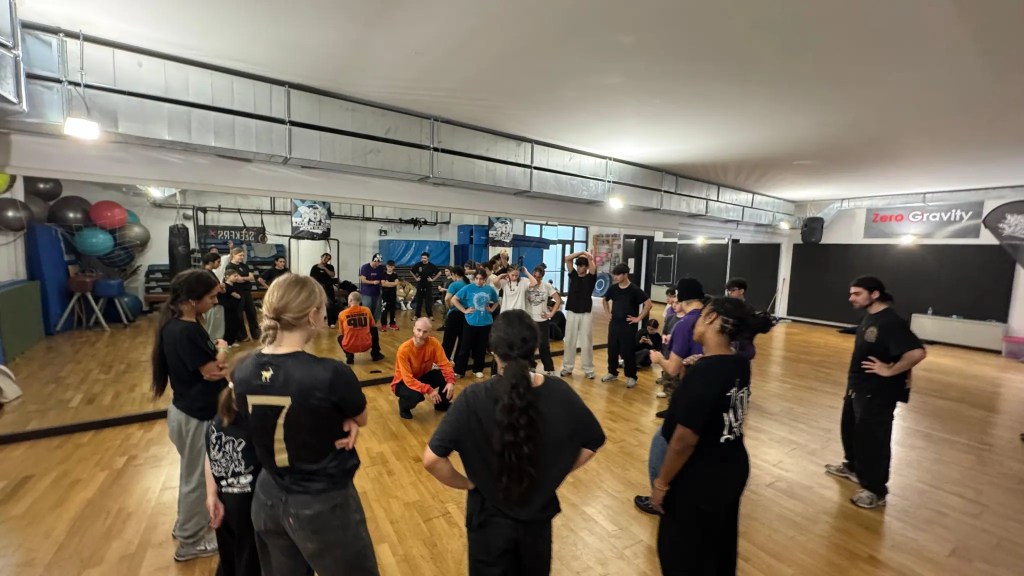
Learning Confidence, Community, and How to “Keep Going”
The experience of Baltac Mihai-Cristian, a former professional dancer and now Founder and CTO of Digital Empr, mirrors many struggles familiar to Gen Z—sedentary lifestyles, social anxiety, and the pressure to perform perfectly.
Reflecting on his journey, he shares:
“I wanted to share how dance transformed my life, especially while working a stressful job from home. After losing much of my physical mobility due to a sedentary lifestyle, returning to dance changed everything. Not only did it help me lose weight, but it also allowed me to build a new ‘family’ of people from diverse backgrounds. Furthermore, dance was instrumental in overcoming my social anxiety; I can now communicate with others with ease.”
For many young people today, building real-life community can feel difficult after years of lockdowns and online interaction. Dance offers a shared physical experience that helps rebuild trust and connection.
He describes how dance pushed him to face his fear of social interaction:
“To give you more detail on my path, one of the most significant shifts was overcoming my social anxiety. Initially, I felt I wasn’t an interesting person and struggled to engage with others. Dancing forced me to find the courage to communicate, eventually helping me realize that we are all human and that making mistakes is part of the process.”
One moment on stage became a metaphor for life beyond dance—something especially relevant for a generation under constant pressure to get everything right:
“I used to be very rigid; if a project or plan didn’t go exactly as expected, I would get angry and stop. During a couple’s dance performance, a partner inevitably made a mistake. My instructor taught us that rather than stopping to fix the error (which only alerts the audience) you must continue with the rhythm and flow of the choreography.”
That lesson stayed with him:
“This taught me the power of improvisation. I learned that even when things don’t go according to plan, life keeps moving, and I don’t have to stop or get stuck. After that show, my friends mentioned they never noticed my mistakes because I kept going, whereas they immediately noticed other performers who stopped out of anxiety. Learning to ‘go with the flow’ is a lesson that has helped me enormously in my life and business beyond the stage.”
For Gen Z, learning to move forward despite imperfection can be a vital mental health skill.
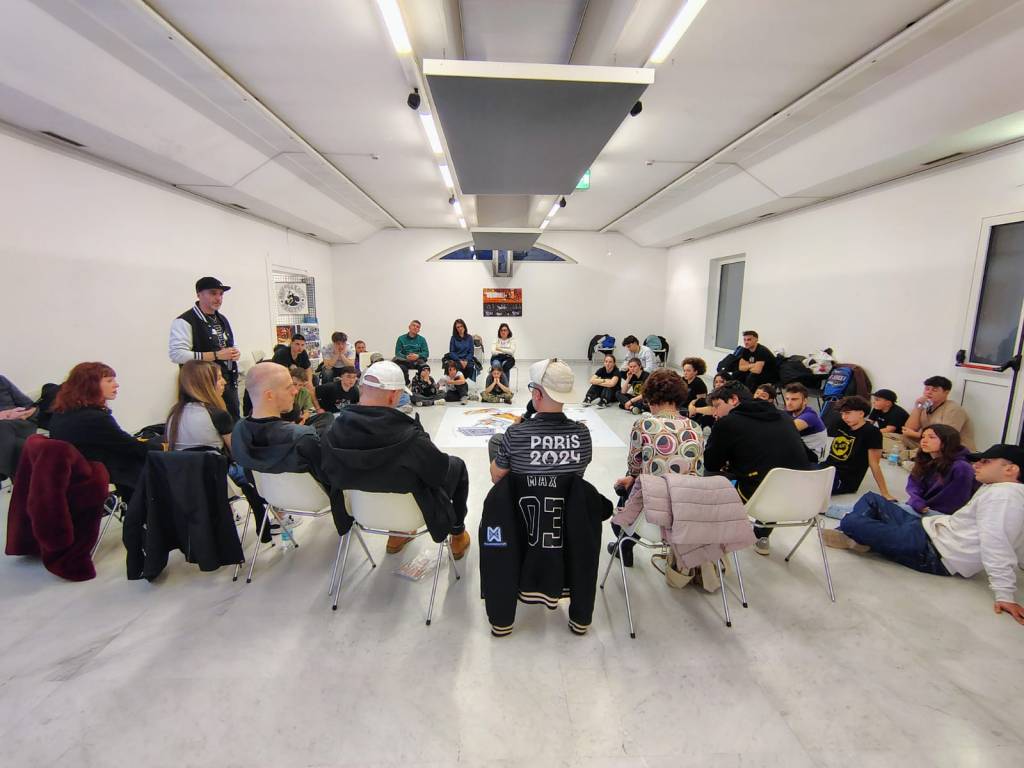
Breaking the Walls: Supporting Gen Z Through Movement
The stories shared here reflect why movement-based approaches are so relevant for young people today. Dance helps Gen Z reconnect with their bodies, regulate emotions, build confidence, and feel part of a community—without needing to conform to unrealistic standards.
These values are at the core of BREAKing THE WALLS (BTW), a European project designed specifically to support young breaking dancers aged 11–18. By combining Dance Movement Therapy with hip-hop and breaking culture, the project offers young participants tools to understand their emotions, express themselves authentically, and heal from the isolation left by the pandemic.
Through international exchanges, workshops, and a final performance in Porto created by the young dancers themselves, BREAKing THE WALLS transforms personal movement into collective empowerment. It shows Gen Z that their bodies are not just something to be judged or optimized—but something to listen to, trust, and use as a source of strength.
To learn more about how dance is helping Gen Z break emotional and social barriers, visit our homepage.
 BREAKing The Walls