
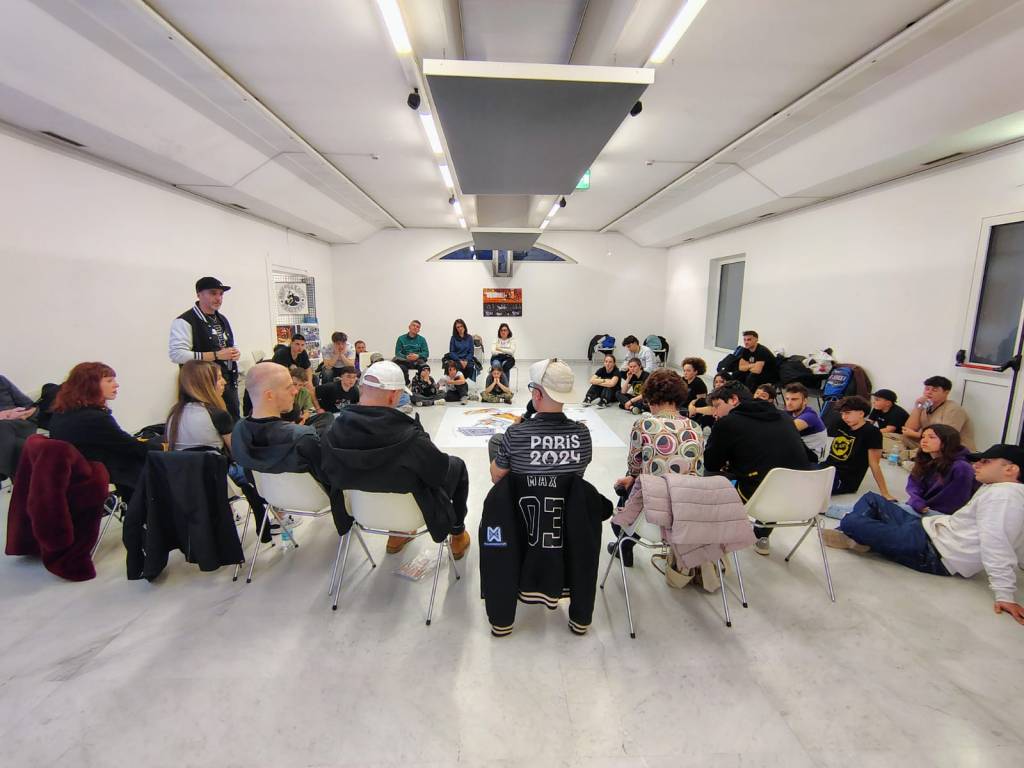
Gen Z is growing up in a world shaped by rapid digital transformation, global uncertainty, and the lingering emotional impact of the Covid-19 pandemic. While young people today are more connected than ever, many are also experiencing unprecedented levels of anxiety, isolation, and emotional pressure. Traditional mental health approaches, though essential, do not always meet young people where they are—especially when emotions are difficult to put into words.
Dance Movement Therapy (DMT) offers a powerful, body-centered alternative. By reconnecting movement, emotion, and self-expression, DMT helps young people process stress, build resilience, and rediscover authentic connection with themselves and others. These principles are at the heart of BREAKing THE WALLS (BTW), a European project that uses Dance Movement Therapy and breaking culture to support the mental health and creative growth of young dancers.
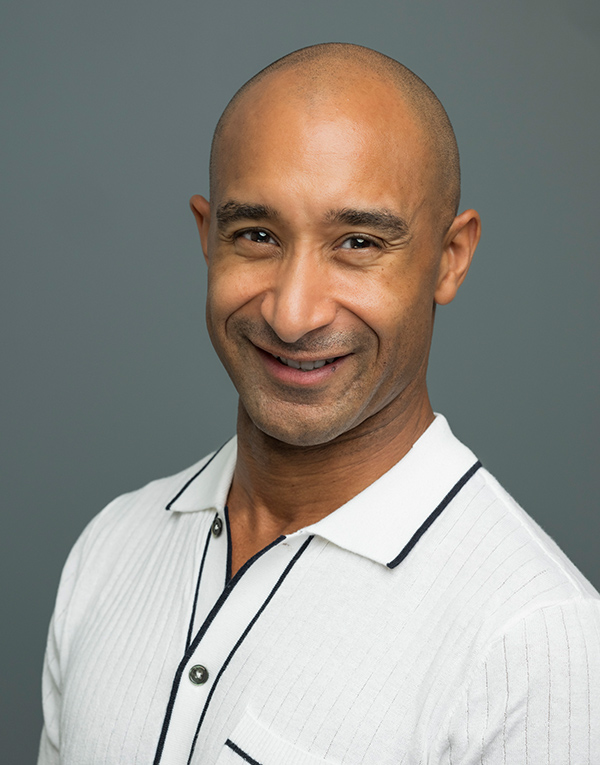
To better understand the value of DMT for today’s youth, we share insights from Shane Bland, Head of Community Principal Faculty at Orlando Ballet, whose experience with movement-based emotional support programs highlights why this approach is particularly relevant for Gen Z.
What problems are facing Gen Z individuals in this new digital society?
“Gen Z is navigating a world of constant stimulation and constant comparison. Social media and 24/7 information cycles can intensify anxiety, depression and overwhelm—especially when young people feel
pressure to always be “on” and reachable. They’re also measuring themselves against curated versions of other people’s lives, while carrying real-world stressors that feel heavy and urgent: economic uncertainty, climate anxiety, gun violence, and ongoing social and racial inequities.
At the same time, digital life often pulls people away from movement and real, authentic connection. The more time we spend sitting and passively consuming information, the easier it is to feel disconnected from the body where stress, tension and emotion often show.”
What is Dance Movement Therapy?
“Dance/Movement Therapy (DMT) is a psychotherapeutic approach that uses movement to support emotional, social, cognitive and physical integration. It isn’t about dance technique or performance. It’s about expressive movement as a tool for communication, regulation and healing when words can be hard to find.
At Orlando Ballet, we partner with the Victim Service Center of Greater Orlando on a program called Emotionsin Motion. While it is not certified DMT, our Emotions in Motion program draws from similar principles to helping participants notice how emotion lives in the body, release tension and practice movement pathways that
support grounding and self-expression.”
Could DMT be helpful for Gen Z to achieve better mental health?
“DMT or any dance- or movement-based exercise program can be especially relevant for Gen Z because it helps address something many young people are experiencing: high emotional and cognitive stress, paired with limited opportunities for physical release. Movement gives the body a way to process what the mind is carrying.
It supports practical mental health skills like noticing emotions early (e.g., posture, breath and tension, regulating stress responses through movement and rhythm; reconnecting mind and body so people feel more grounded; and reducing isolation through safe, structured group experiences.
In our Emotions in Motion program, which has been running for over a year, participants have shared that they’ve gained better tools to handle difficult mental and emotional moments. They also report a stronger
sense of community, more openness to exploring new experiences and a desire to help others in their own healing process. Even when life is still challenging, having a consistent movement-based practice can give
people usable tools they can return to.”
Is it advised to everyone or just those with pre-existing conditions?
“Movement-based approaches can benefit many people of any age or physical ability, and not just those with a diagnosis. DMT can support stress management, self-awareness, emotional expression and resilience. That said, it isn’t one-size-fits-all.
For individuals with significant trauma histories or complex mental health needs, it’s best to work with a properly credentialed clinician and, when appropriate, in coordination with a broader care team. The key is matching the level of support to the individual and ensuring the environment is safe and appropriately facilitated.”
As head of Orlando Ballet’s Community Enrichment Division, Shane is a dynamic theater artist with an accomplished career spanning Broadway, national tours, regional theater, television, choreography, and directing. His Broadway credits include Bombay Dreams, Show Boat (Harold Prince), and Disney’s The Lion King. In Orlando, Shane has starred in Ain’t Misbehavin’, Cabaret (as the Emcee at Orlando Shakes), and Beauty and the Beast (as The Beast at the Garden Theatre). His choreography credits include Frozen Jr., Matilda (Broadway World Nominee), and Hairspray. Shane also serves as an adjudicator for the ApplauseAwards, supporting young performers across the region.
Breaking Walls Through Movement
Dance Movement Therapy reminds us that healing does not always begin with words—it often begins with the body. For Gen Z, whose lives are shaped by screens, speed, and social pressure, movement can become a gateway back to presence, connection, and emotional clarity.
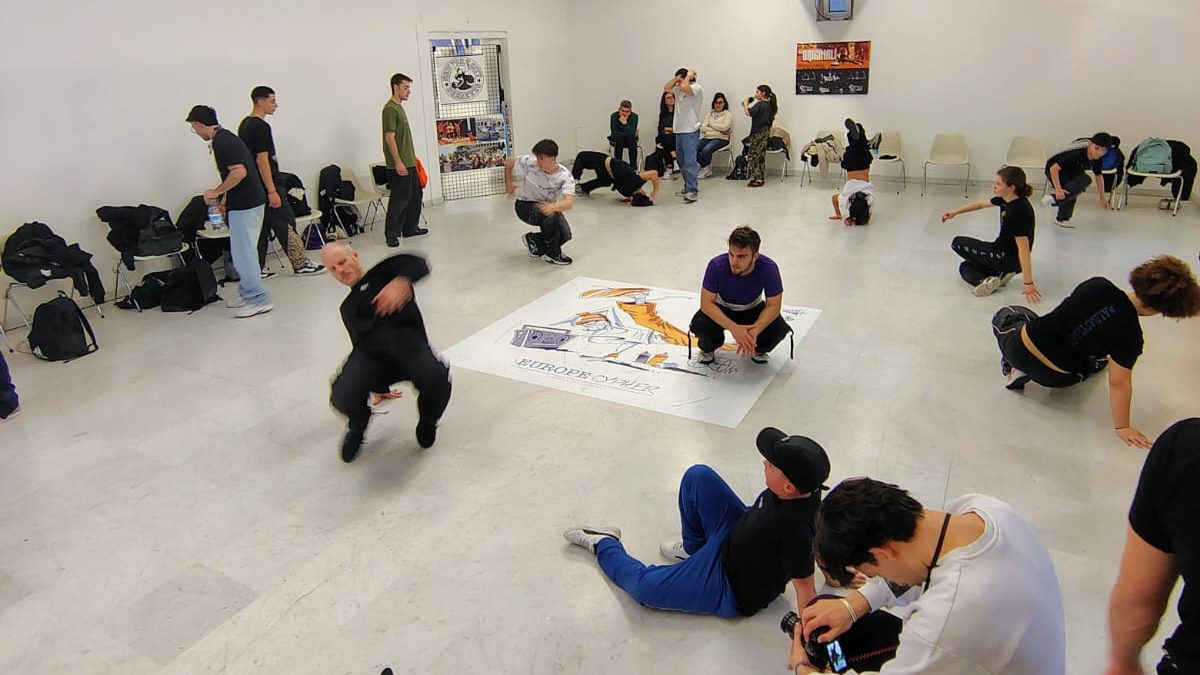
This philosophy lies at the core of BREAKing THE WALLS (BTW). By combining Dance Movement Therapy with breaking culture, BTW empowers young dancers aged 11–18 to explore their emotions, strengthen their mental health, and transform personal struggles into creative expression. Through international collaboration across three countries (Italy, Slovacchia and Portugal), professional guidance, and community-driven performances, the project creates safe spaces where young people can move, feel, and grow—together.
As Europe continues to recover from the pandemic’s social and emotional impact, initiatives like BREAKing THE WALLS demonstrate how movement and mental coaching can work hand in hand to support mental resilience, creativity, and collective healing of generation Z.
To learn more about the project and upcoming activities, visit our homepage.
Disclaimer: Shane Bland is not a licensed Dance/Movement Therapist, and Orlando Ballet and Breaking the Walls’ work is not presented as clinical therapy.
 BREAKing The Walls